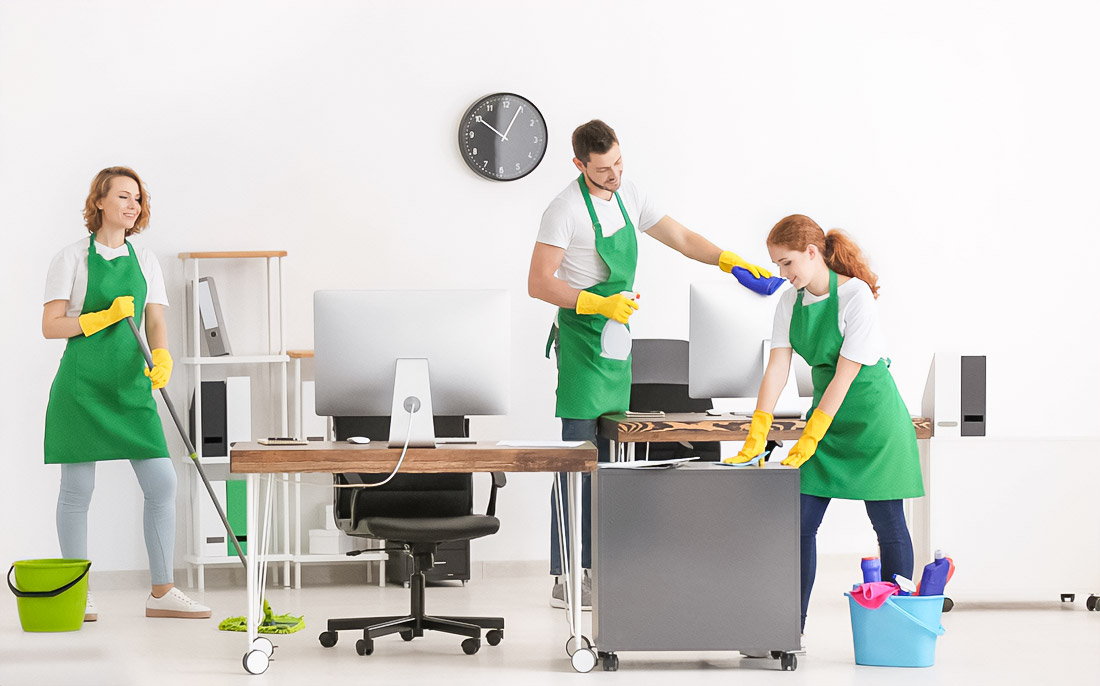
The weather is rarely predictable. Rain, high humidity, wet sidewalks, and short daylight hours dominate much of the year, quietly shaping daily routines.In England, these conditions don’t stop at the threshold—they seep indoors, subtly transforming familiar office environments into high-risk spaces.
Sliding and falling injuries are rarely expected in offices. Nevertheless, statistics show that about a third of all non-fatal occupational injuries are associated with slipping, tripping and falling. Moreover, most of these incidents do not occur at height, but at floor level in entrance areas, corridors, staircases and on the routes of daily movement of employees.
Why Does The Office Become Dangerous In Wet Weather
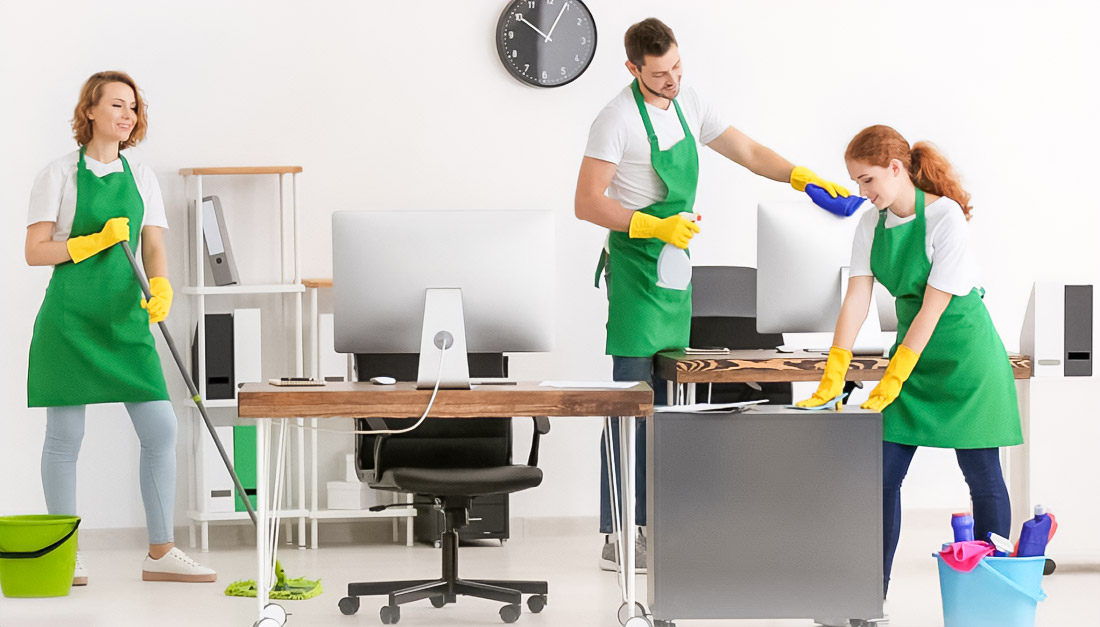
The main reason for falls in the office environment is the contamination of floor coverings. In rainy weather, water, dirt and small particles from the street quickly enter the building on the soles of shoes. The floor remains visually clean, but loses its grip, especially in the entrance and passage areas.
The situation is aggravated by smooth surfaces, worn coatings and sudden transitions between different types of floors. Even a small drop in the level or an imperceptible edge of the carpet can cause stumbling. In low-light conditions, the risk increases even more, as a person simply does not have time to recognize the danger.
The human factor plays an equally important role. Haste, talking on the phone, transferring documents or equipment, unsuitable shoes all this increases the likelihood of falling. In offices, people rarely expect danger, which means they lose their vigilance exactly where the risk has already formed.
Risk Assessment And Organization Of Office Space
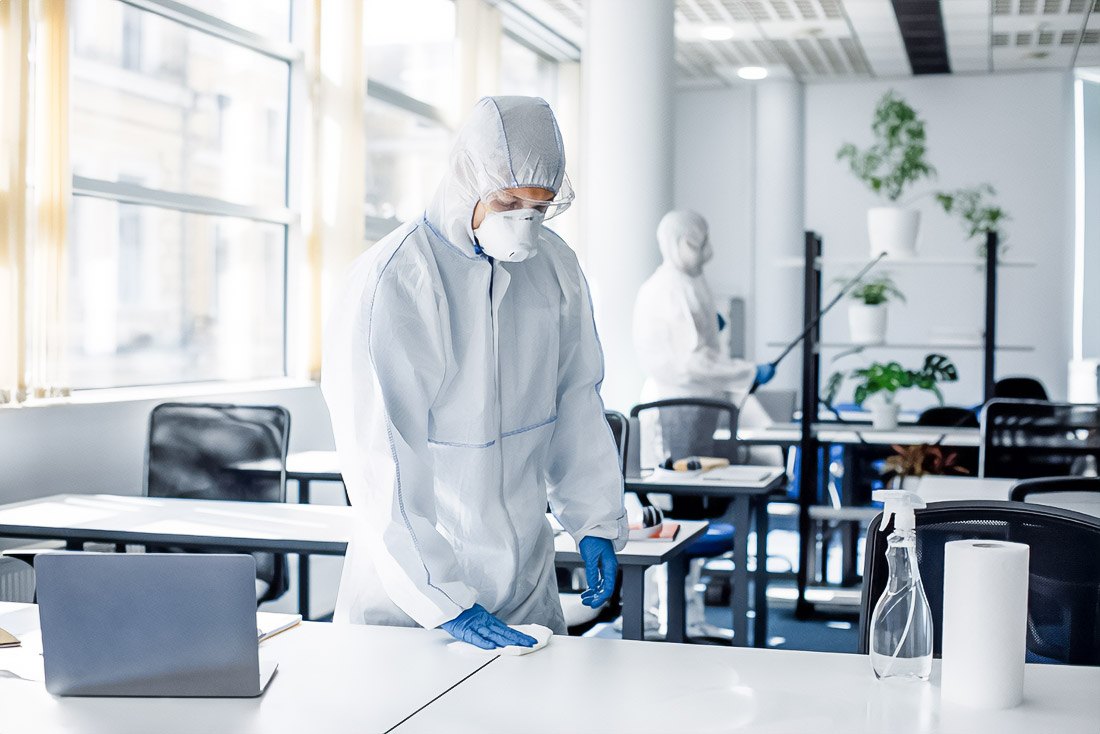
Fall prevention begins with risk assessment rather than incident response. In an office environment, it is important to analyze traffic routes, peak hours, traffic density, and areas with regular floor contamination. First of all, attention is paid to entrance groups, corridors, stairs and passages between rooms.
The floor coverings must comply with the operating conditions. In areas with high humidity, anti-slip materials are preferred. The transitions between the coatings must be visually highlighted to reduce the risk of tripping.
Lighting is a critical safety feature. Insufficient light makes it difficult to notice wet areas, dirt, and level fluctuations. In conditions of short daylight hours, uniform and stable lighting of office routes helps to significantly reduce the number of incidents.
Cleaning, Shoes, And Employee Behavior
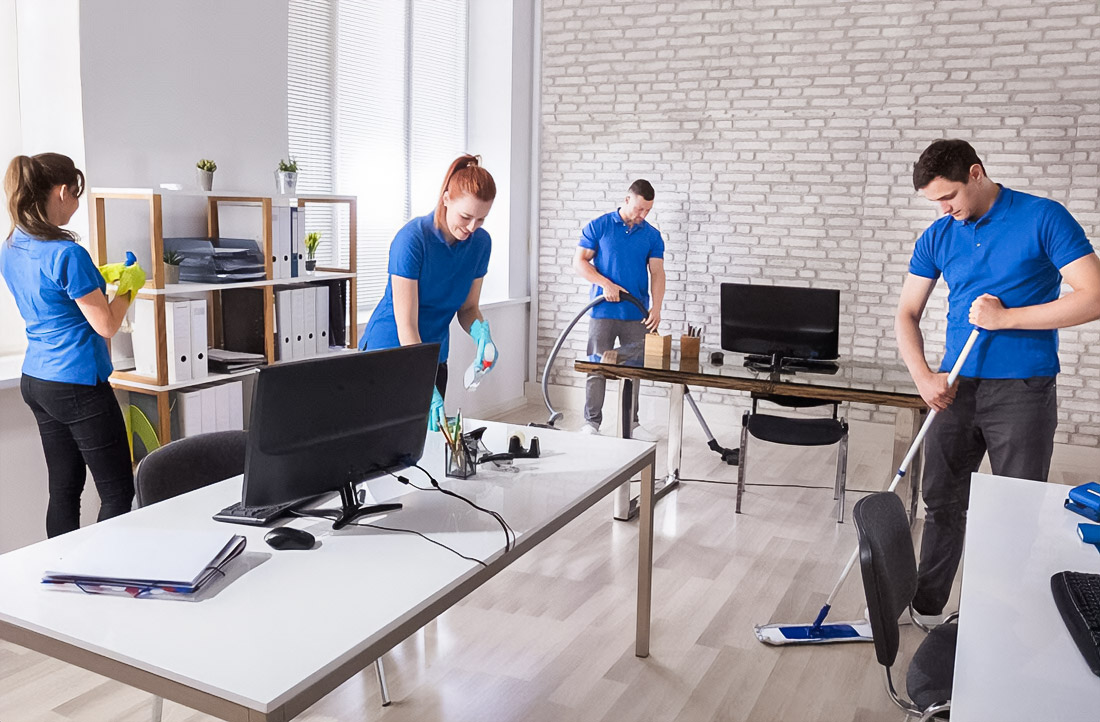
Cleaning the office can both reduce and increase the risk, which is why the approach used by professional office cleaning services directly affects how quickly contamination is removed and how long surfaces remain hazardous. Wet cleaning leaves a thin film of water, especially on smooth surfaces. If access to the area is not restricted until it is completely dry, the chance of slipping increases dramatically. Local cleaning of the straits and the correct choice of cleaning methods make it possible to avoid the spread of dangerous areas.
Shoes with anti-slip soles remain one of the most effective prevention methods, especially during periods of rain and winter slush. However, having the right shoes does not have an effect without conscious behavior.
A safety culture is formed through simple actions. Using handrails on stairs, avoiding haste, paying attention to the floor surface, and being willing to report contamination reduces risk faster than any formal instructions. It is behavior that binds the environment and organizational measures into a single system.
Office falls are not an accident, but the result of a combination of weather, environment, and habits. In the conditions of the English climate, the management of these factors becomes not an additional measure, but an essential element of safe work.

Basketball fan, mother of 2, fender owner, vintage furniture lover and HTML & CSS lover. Performing at the fulcrum of modernism and programing to give life to your brand. I sometimes make random things with friends.